
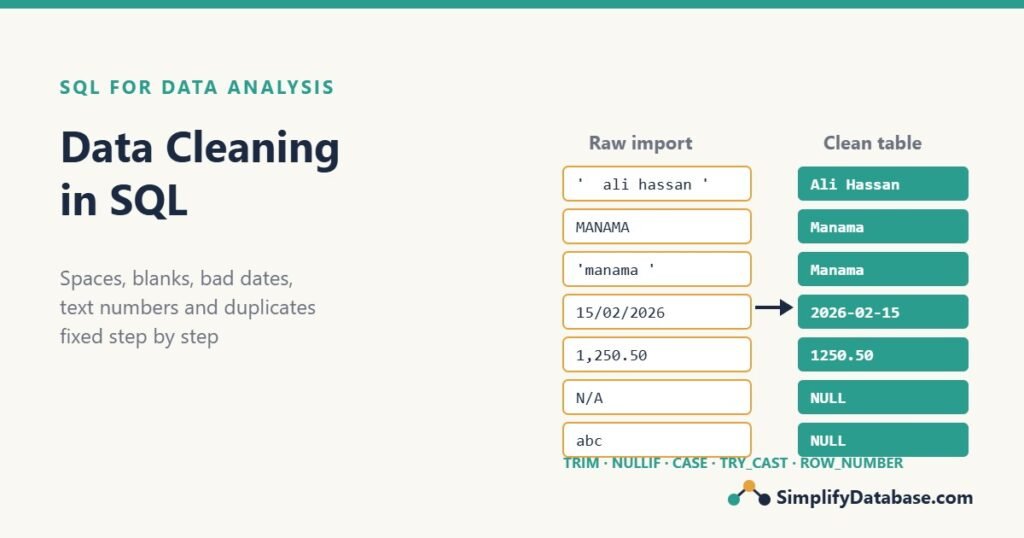
Data Cleaning in SQL: A Step-by-Step Guide (With Real Examples)
Learn data cleaning in SQL step by step: trim spaces, turn blanks into NULL, fix text numbers and mixed date formats, and remove duplicates, with SQL Server and MySQL examples.
Learn data cleaning in SQL step by step: trim spaces, turn blanks into NULL, fix text numbers and mixed date formats, and remove duplicates, with SQL Server and MySQL examples.
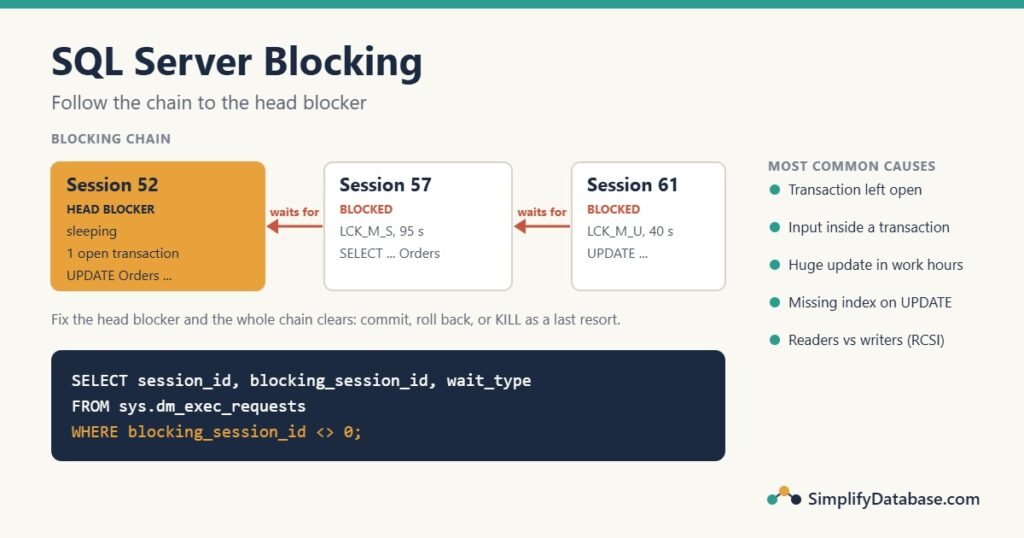
How to find blocking in SQL Server in under a minute: the DMV queries that show who is waiting and who the head blocker is, what to do right now, and how to stop blocking from coming back.
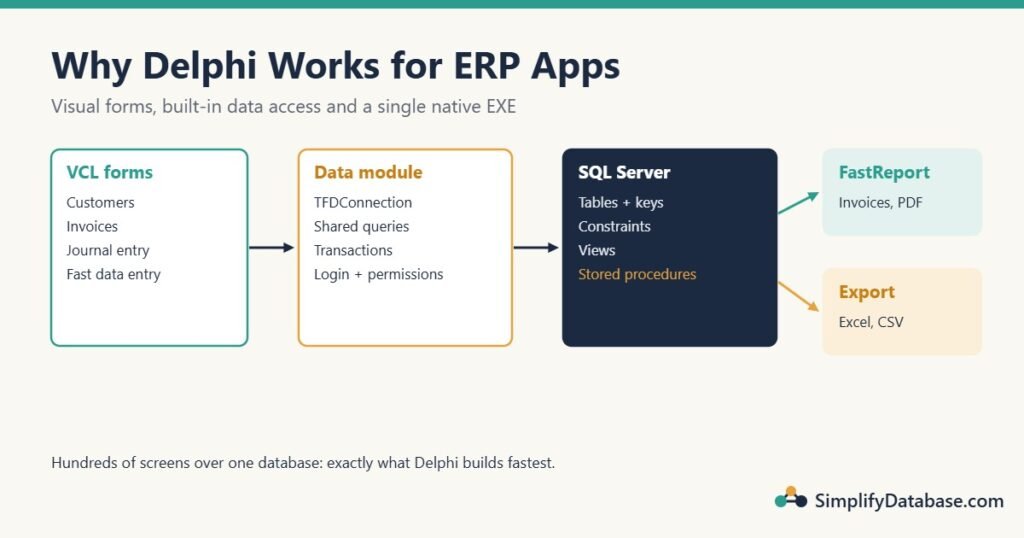
Why Delphi is still a strong choice for ERP and business software: visual forms, built-in database access, native speed, a long life, and the honest downsides.
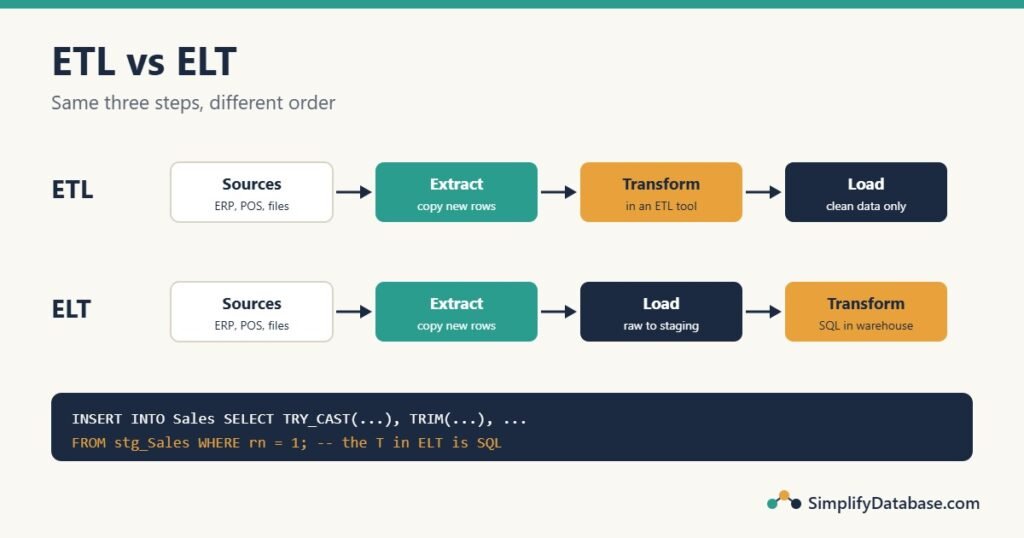
What ETL and ELT mean, how they differ, what the transform step looks like in real SQL, full vs incremental loads, and which approach to choose for your data warehouse.
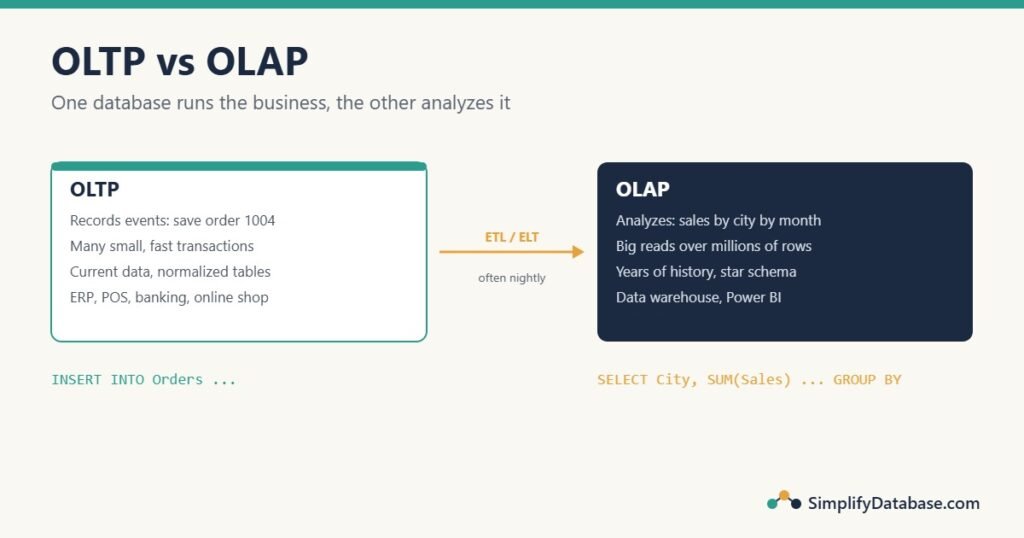
What OLTP and OLAP mean, how they differ, why heavy reports slow down a live database, and how data moves from one to the other, explained in plain English with SQL examples.
The best books for SQL performance tuning: indexes, execution plans and troubleshooting slow SQL Server queries. Two of them are free ebooks.
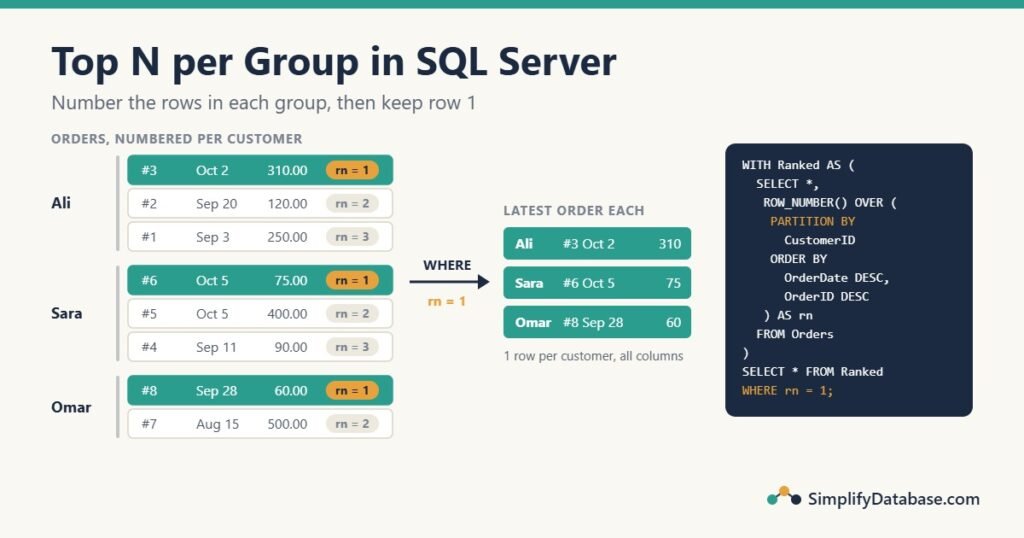
How to get the latest record or the top N rows for each group in SQL Server with ROW_NUMBER(), handle ties correctly, and when CROSS APPLY or WITH TIES is the better choice.
An honest review of Itzik Ben-Gan’s T-SQL Fundamentals, 4th edition: what it covers, who it is for, its strengths and weaknesses, and whether you should buy it.
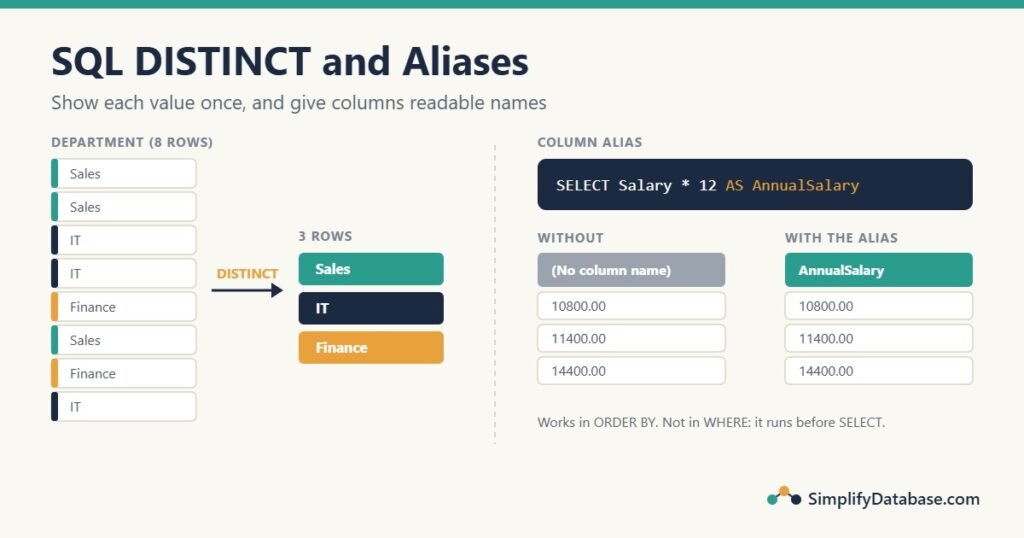
How SQL DISTINCT removes duplicate rows (and why it applies to every selected column), how it treats NULL, COUNT(DISTINCT), and how to use column and table aliases, including why an alias works in ORDER BY but not in WHERE.
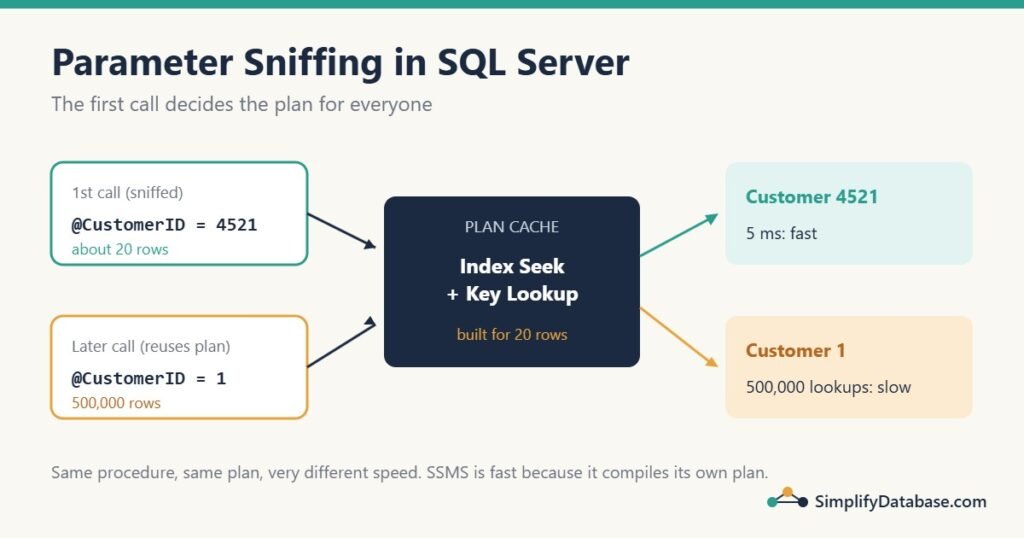
Why the same SQL Server procedure is fast for one value and painfully slow for another, or fast in SSMS but slow in your application, how to confirm it is parameter sniffing, and six fixes with when to use each.