
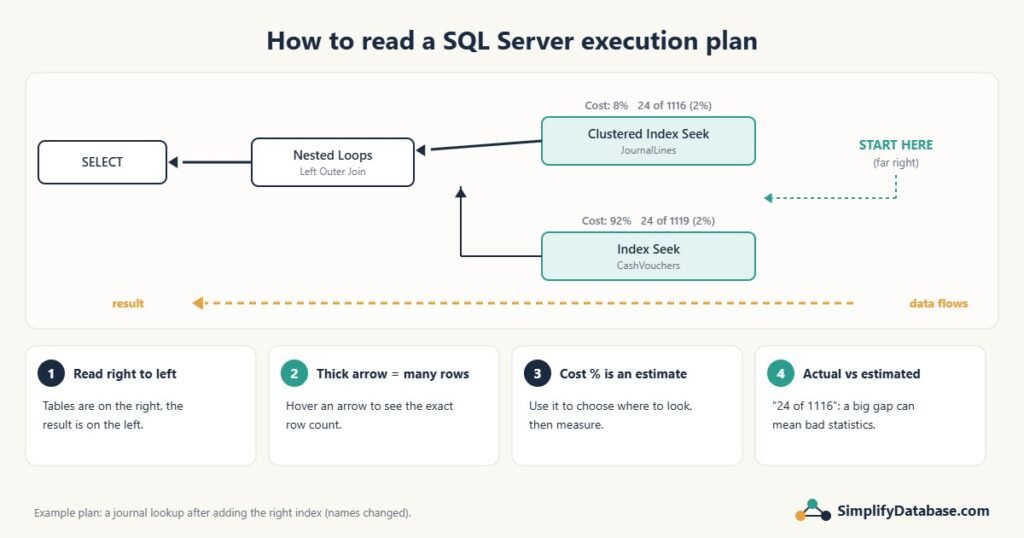
How to Read a SQL Server Execution Plan (Beginner’s Guide)
Execution plans look confusing at first. Learn to read a SQL Server plan step by step: right to left, arrow thickness, cost percentages, the operators that matter, and a real example.
Database
Execution plans look confusing at first. Learn to read a SQL Server plan step by step: right to left, arrow thickness, cost percentages, the operators that matter, and a real example.
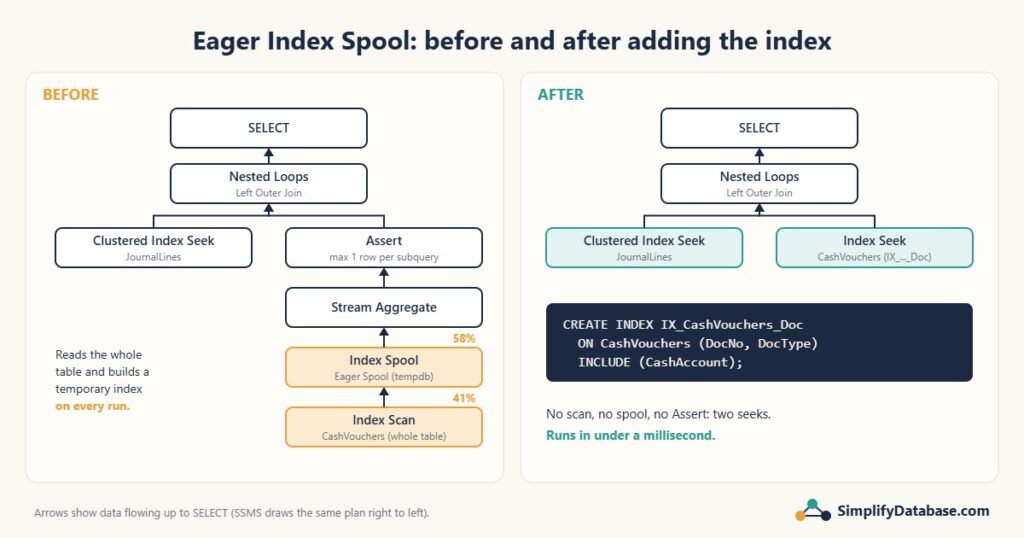
Seeing an Index Spool (Eager Spool) in your SQL Server execution plan? Here is what it means, why SQL Server builds a temporary index on every run, and the one index that makes it disappear.
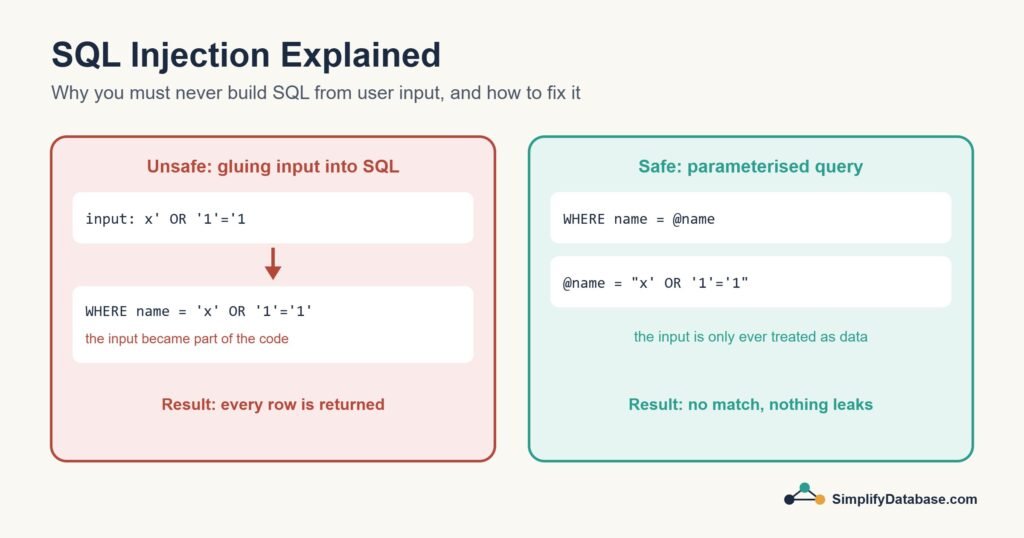
Understand how SQL injection happens and how to prevent it with parameterised queries in PHP, Laravel, Delphi and C#, plus extra defences.
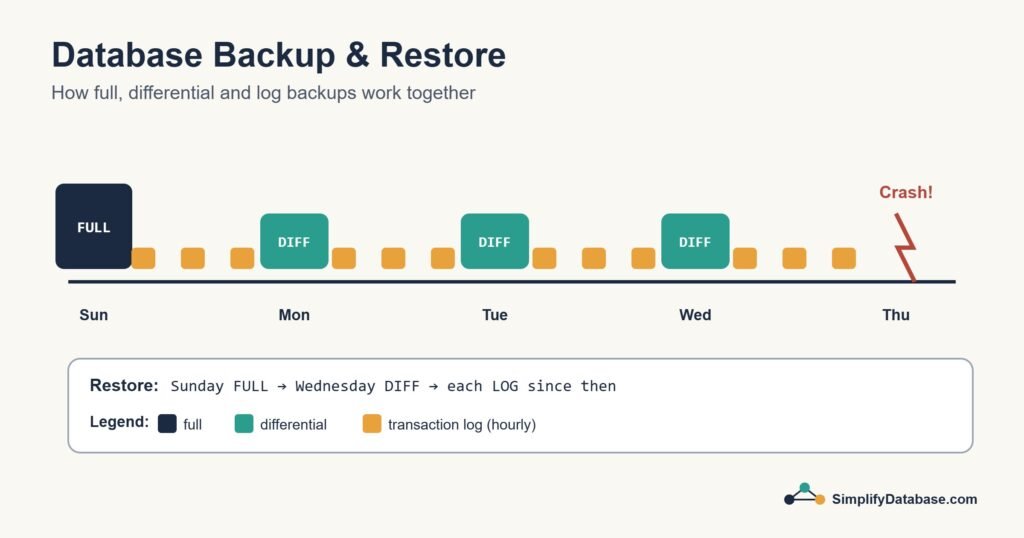
How database backups work: full, differential and log backups, point-in-time restore, the 3-2-1 rule, and commands for SQL Server, MySQL and PostgreSQL.
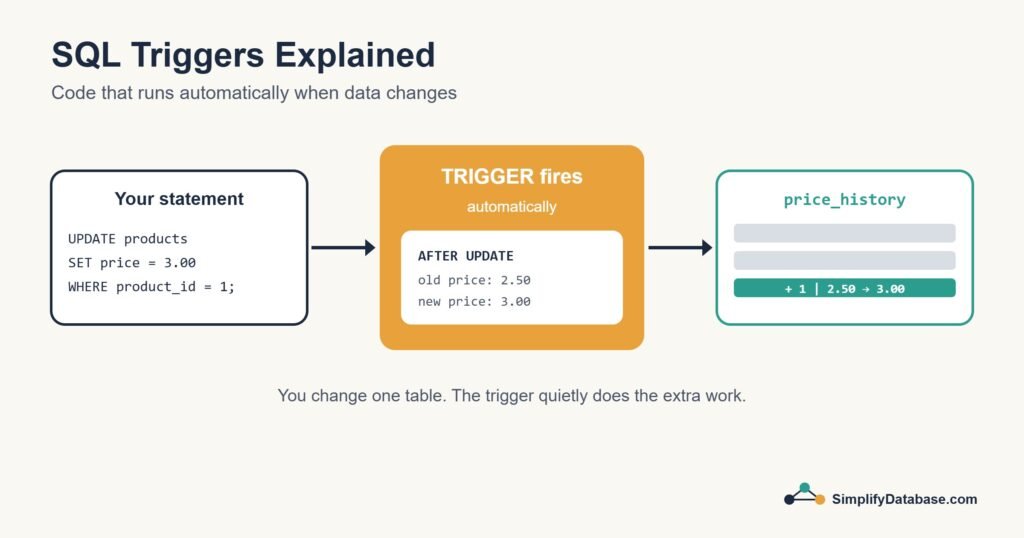
Learn what SQL triggers are, how to write them in SQL Server, MySQL and PostgreSQL, and when they help or hurt, with a price history example.
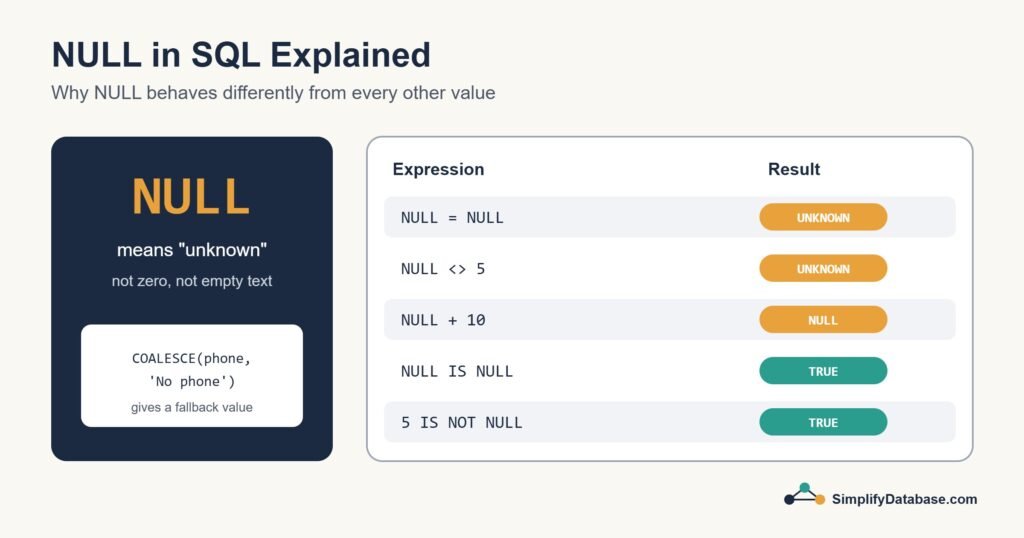
Understand what NULL means in SQL, why = NULL never works, and how to handle missing values with IS NULL, COALESCE and NULLIF.
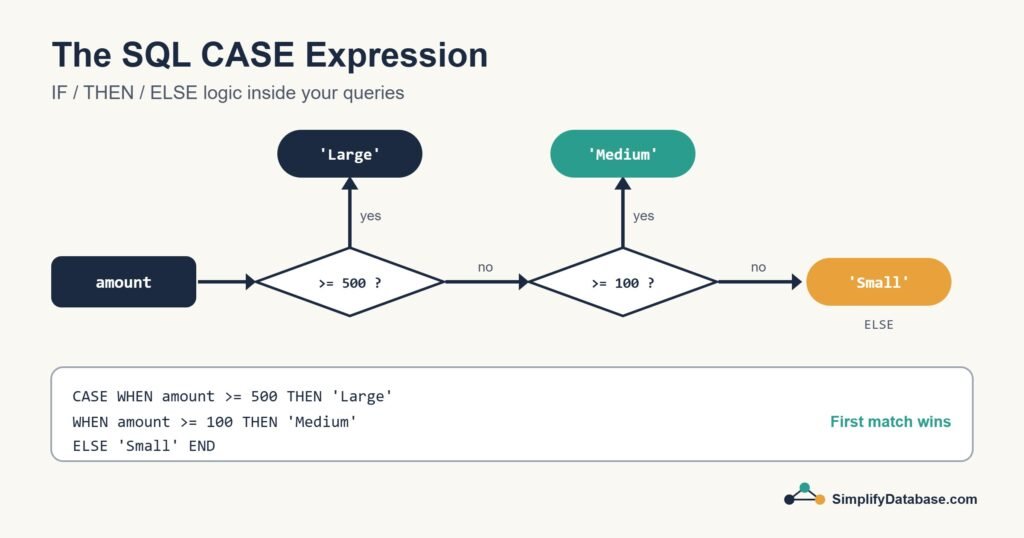
Learn how to use the SQL CASE expression for if/then/else logic: labels, conditional counts, custom sorting and more, with simple examples.
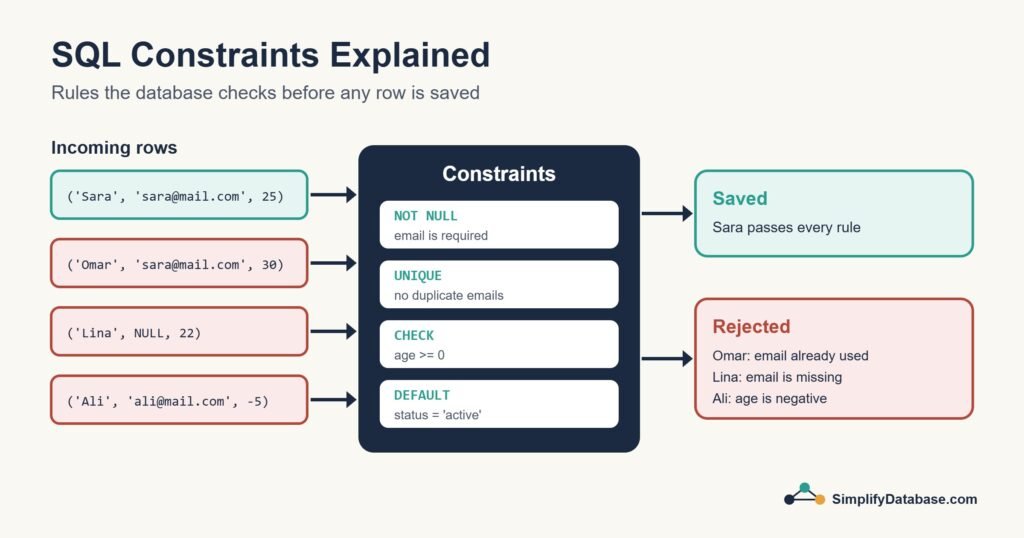
Learn how SQL constraints like NOT NULL, UNIQUE, CHECK and DEFAULT protect your data, with simple examples you can use right away.
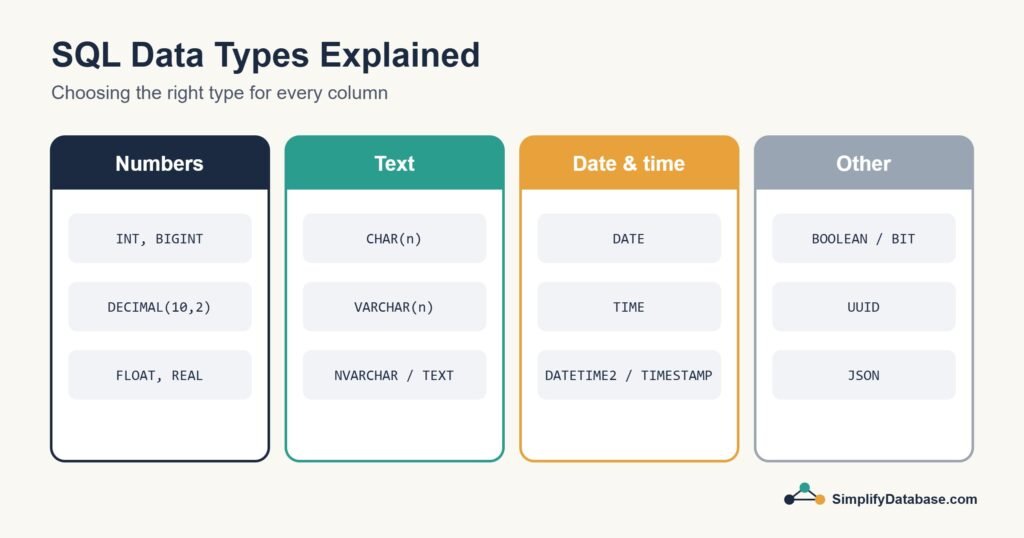
A practical guide to SQL data types: numbers, text, dates and more, with differences between SQL Server, MySQL and PostgreSQL.
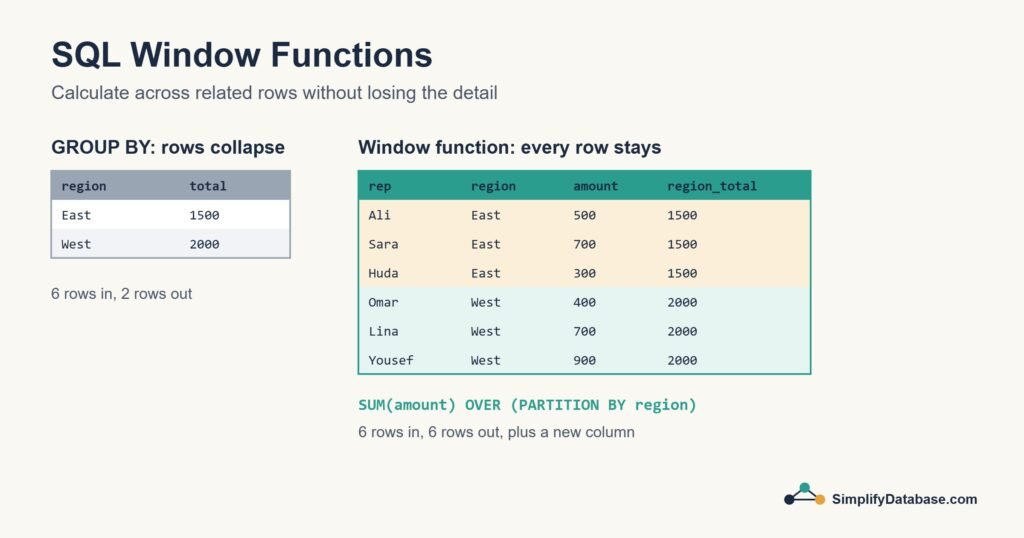
A beginner-friendly guide to SQL window functions: OVER, PARTITION BY, ROW_NUMBER, RANK, running totals and LAG, with clear examples.